


To watch the full video scroll down 👇
The Future of Efficiency: Mastering Active Aerodynamics in 2026

In my ten years of evaluating automotive engineering and financial performance, I have rarely seen a feature that bridges the gap between raw physics and consumer ROI as effectively as active aerodynamics. While the teardrop remains the gold standard of natural efficiency, the reality for the modern driver—and the savvy investor—is far more complex. In 2026, the integration of active aerodynamics is no longer just a gimmick for track-day supercars; it has become a critical pillar of vehicle efficiency, directly impacting your wallet through reduced fuel consumption and extended electric vehicle (EV) range.
As we navigate the 2026 market, understanding these systems isn’t just for gearheads. It is for anyone looking to make a sound financial decision in an era where vehicle efficiency directly dictates the long-term cost of ownership.
The Financial Reality of Aerodynamic Engineering
At its core, the goal of any vehicle designer is to manage air. For the average buyer, drag is the silent thief of capital. Every time your vehicle pushes through the air, you are essentially “paying” to move molecules out of your way. Active aerodynamics—the use of motorized components that adjust to driving conditions—seeks to solve the age-old conflict between low drag (for highway efficiency) and high downforce (for safety and stability).
If you are currently choosing between vehicles, the presence of these systems should weigh heavily in your comparison. They represent sophisticated engineering that, while adding complexity, pays dividends in energy savings.
Active Front Grilles: The Unsung Hero of Daily Savings
The most pervasive form of active aerodynamics is the active front grille. You likely see them daily without even realizing it. These motorized shutters monitor the thermal requirements of the motor or battery. By closing off airflow when cooling isn’t needed, they turn the front of the vehicle into a smooth, aerodynamic shield.
What This Means for You: When shopping for a commuter vehicle, look for this feature. A closed grille at cruising speeds can improve fuel economy by 2% to 5%. Over a five-year ownership cycle, this translates to tangible savings in fuel or electricity costs.
Active Splitters and Spoilers: Performance or Pretense?
Active front splitters and rear spoilers are often marketed as performance features, but their role in 2026 is increasingly about stability and safety. When a vehicle’s computer detects high-speed inputs, these components deploy to “suck” the car to the road.
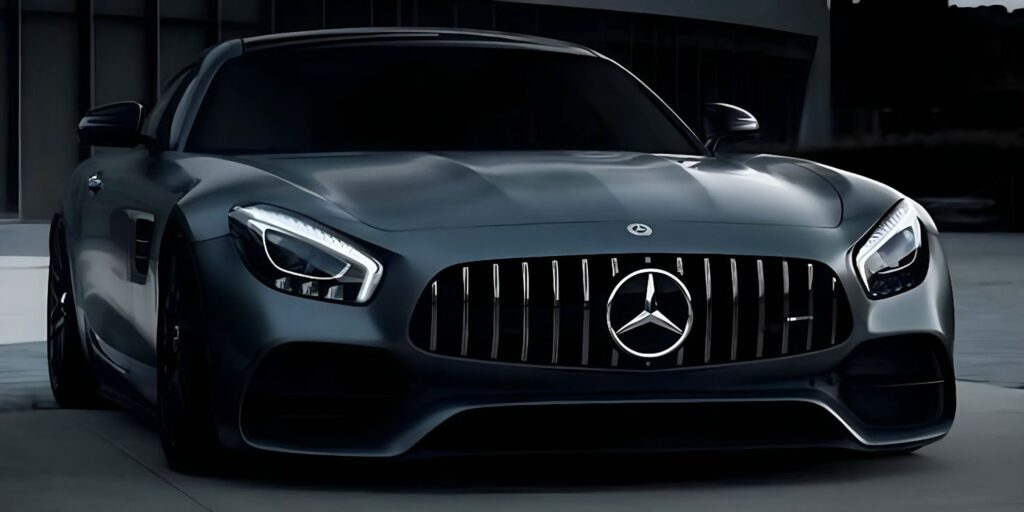
I’ve guided many clients through the process of choosing between high-performance trims. While the allure of a deployable spoiler is strong, consider the maintenance cost. If an actuator fails outside of the warranty period, the repair bill for specialized active aerodynamics parts can be significant—often exceeding $1,500 for a single assembly.
Case Study: The Cost of Ignoring Aerodynamics
Let’s look at two buyers: “Investor A” and “Buyer B.”
Buyer B purchased a mid-size SUV without advanced aerodynamic aids. Over 60,000 miles of highway driving, their average efficiency suffered because the vehicle design favored aesthetic “toughness” over wind-cheating capability.
Investor A chose a model equipped with full active aerodynamics—grille shutters and a sleek, active rear diffuser.
By the end of year three, Investor A saved roughly $1,200 in energy costs. Furthermore, when they traded in their vehicle, the higher fuel efficiency rating contributed to a higher resale value, as market demand has shifted toward vehicles that offer better range per charge or tank. The lesson? Aerodynamics isn’t just about speed; it’s about the depreciation curve and total cost of ownership.
Should You Buy, Wait, or Rent?
If you are currently debating a purchase, you are in a unique spot in 2026. If your commute involves significant highway mileage, prioritize vehicles with active aerodynamics.
Should You Buy? Yes, if the vehicle provides a demonstrable range or efficiency gain through these systems.
Should You Wait? If you are looking at early-adopter luxury EVs that are notorious for high repair costs of “gimmicky” tech, wait for the second model year when reliability data is firmer.
Should You Invest? If you are considering real estate investment, remember that fleet buyers are increasingly choosing vehicles with low operational costs. High-efficiency vehicles are the new standard for professional fleets.
Best Financial Strategies Right Now (2026)
Prioritize Lifetime Value: When comparing mortgage rates or financing options, don’t just look at the monthly payment. Calculate the “Cost of Operation.” A car with sophisticated aerodynamics costs more upfront but lowers your monthly variable expenses.
Insurance Implications: Always check with your provider if “active” components increase your insurance premiums. Some high-end systems are classified as “luxury” or “high-risk” repairs, which can hike your premiums significantly.
Refinancing Your Vehicle: If you are currently in a high-interest loan on an inefficient vehicle, look into refinancing options that might allow you to trade up to a more aerodynamically efficient model without significantly increasing your debt-to-income ratio.
Mistakes to Avoid That Could Cost You Money
The most common mistake I see buyers make is ignoring the complexity of these systems.
The “Cold Climate” Trap: In extreme climates, active grilles can freeze in the closed position, triggering engine light warnings that require professional recalibration. Ensure you have the budget for a premium maintenance plan.
Neglecting the “Total Package”: Don’t be swayed by a fancy spoiler if the underlying powertrain is inefficient. Active aerodynamics are a force multiplier, not a fix for a poorly engineered engine.
Ignoring Residuals: Always check the estimated depreciation of vehicles with specialized aerodynamic parts. If the brand has a history of poor reliability with their actuators, the resale value will plummet the moment the warranty expires.
The Future of Performance
Innovations like the Gordon Murray T50—which uses a mechanical fan to manipulate pressure—show us that we are moving toward a future where a car’s shape is fluid. While we may not all be driving fan-assisted supercars, the principles remain the same: reducing drag is the most cost-effective way to improve performance.
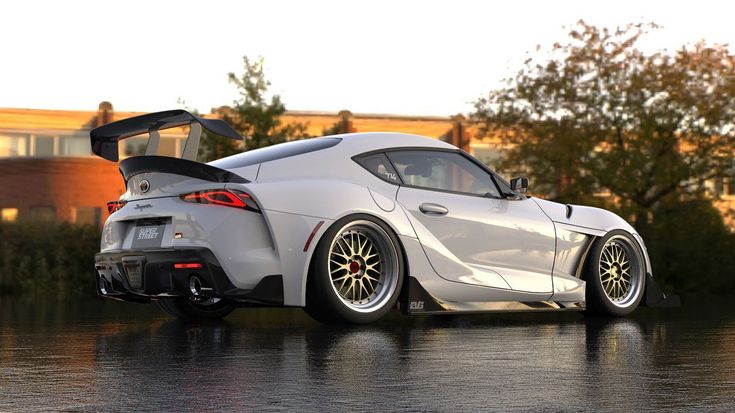
When you look at your next vehicle, don’t just judge it by the sticker price or the interior leather. Look at the front grille. See if there are vents that move. Look at the rear and see if there are motorized elements. These aren’t just toys; they are the 2026 standard for smart, informed, and financially conscious driving.
Risk vs. Reward Analysis:
Reward: Lower energy consumption, better vehicle stability, and higher resale value.
Risk: Higher potential out-of-warranty repair costs and insurance premiums.
In my experience, for the average consumer, the reward of modern active aerodynamics currently outweighs the risks, provided you opt for reliable, well-engineered brands.
As you prepare to make your next move, ensure you are not just comparing price tags, but comparing long-term efficiency profiles. Use a comparison tool to stack your top three choices side-by-side, noting the specific aerodynamic features each model provides. If you want to optimize your financial output, the choice is clear: invest in the technology that works with the wind, not against it.
Ready to upgrade your fleet or personal vehicle to something more efficient? Start by comparing the latest 2026 models with our performance-to-efficiency calculator today.