


To watch the full video scroll down 👇
The Future of Efficiency: Mastering Active Aerodynamics in 2026

In the world of automotive engineering, nature has always provided the ultimate blueprint. The teardrop remains the most aerodynamically efficient shape in existence. Yet, for a decade, I have watched the industry grapple with a fundamental conflict: how do we create a vehicle that slices through the air like a raindrop while maintaining the stability and grip required for high-speed performance?
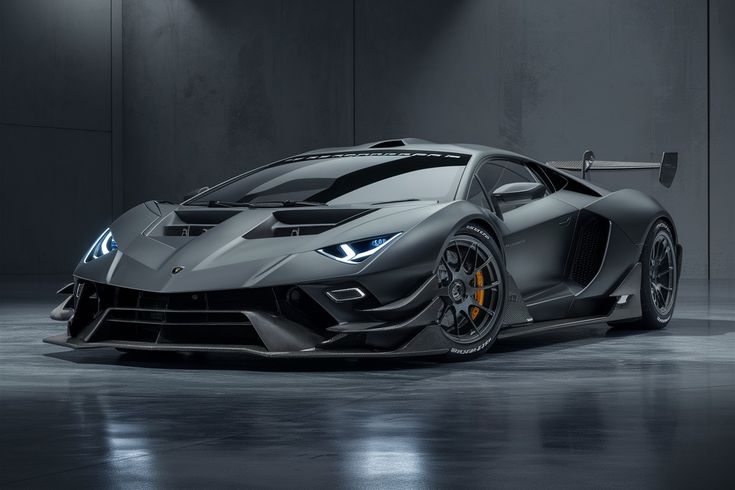
The answer lies in active aerodynamics. By 2026, this technology has evolved from a niche supercar gimmick into a critical tool for maximizing EV range and optimizing high-performance handling. Whether you are a car enthusiast or a buyer looking for your next vehicle, understanding active aerodynamics is no longer just about engineering trivia; it is about recognizing the technical features that protect your financial investment and ensure long-term efficiency.
The Engineering Tug-of-War: Efficiency vs. Downforce
To understand why active aerodynamics matter, we must look at the physics. A “slippery” car—one with low drag—slices through the air effortlessly, which is essential for maximizing electric vehicle (EV) range. Conversely, high-performance driving requires “downforce,” which uses air pressure to glue the car to the tarmac for cornering grip.
Historically, you had to choose one. By 2026, however, active aerodynamics allow a vehicle to become a chameleon. It can be a low-drag, hyper-efficient commuter in city traffic and transform into a high-downforce track machine when the road opens up.
Active Front Grilles: The Silent Efficiency Boost
The most common application of active aerodynamics you will encounter today is the active front grille. Think of it as a jacket for your engine or battery pack. When the car is cruising at lower speeds, the grilles stay shut, creating a smooth surface that reduces drag—essentially extending your EV’s battery range. When cooling demand spikes, the system automatically opens, allowing airflow to regulate thermal levels.
Should You Buy, Wait, or Invest?
If you are currently in the market for a new vehicle, the presence of these systems changes the math on your total cost of ownership.
What This Means for You
If you are buying a long-range electric vehicle, prioritize models equipped with advanced active aerodynamics. Over the course of 3-5 years, the efficiency gains from these systems can reduce your charging costs and preserve battery longevity by managing thermal stress.
Best Financial Strategies Right Now (2026)
Prioritize Tech over Trim: Often, buyers overpay for cosmetic upgrades (larger wheels, body kits) that actually hurt aerodynamic efficiency. Focus your budget on the “tech package” that includes active aerodynamics.
Refinance Your Perspective: If you are financing a high-performance vehicle, factor in the “aerodynamic cost.” Repairs to active components like motorized splitters or spoilers are significantly higher than traditional static bodywork. If you plan to keep the car for five years or more, look into an extended warranty that specifically covers “active mechanical sensors.”

Cost Breakdown: The Impact of Active Aerodynamics
While these systems improve performance, they increase the “cost of repair” threshold. A standard front bumper might cost $800 to replace after a minor parking incident. However, if that bumper contains an active aerodynamics actuator, sensors, and wiring, that same repair can easily jump to $2,500+.
Mistakes to Avoid That Could Cost You Money:
Ignoring Warning Lights: If a dash light regarding your active spoiler or shutter appears, get it inspected immediately. A stuck-open grille might seem minor, but it can lead to engine overheating or premature battery degradation.
DIY Modifications: Adding aftermarket spoilers or wraps can disrupt the calibrated airflow of your car’s active aerodynamics system, potentially voiding your warranty and reducing your fuel efficiency by up to 5-8%.
Real-World Case Study: The “Performance vs. Efficiency” Choice
In my decade of experience, I’ve seen two distinct buyer paths.
Buyer A chose a high-performance EV that lacked active aerodynamics but had an aggressive, fixed-wing design. After three years, they reported a 12% drop in real-world range compared to the manufacturer’s initial estimates, largely due to the “drag penalty” of the fixed spoiler.
Buyer B opted for a model with a fully integrated active aerodynamics suite. By allowing the car to “close up” during highway commutes and “open up” for cooling during spirited driving, they maintained 98% of their battery range over the same three-year period. When they went to trade in the vehicle, the dealer valued it higher due to its superior battery health—proving that active aerodynamics isn’t just about speed; it’s about residual value.
The Future: Innovations Like the Gordon Murray T50
We are seeing incredible strides in active aerodynamics technology. The Gordon Murray T50, for instance, uses a fan-driven system to manipulate air pressure beneath the car. While we might not all be driving multimillion-dollar hypercars, the data harvested from these projects is filtering down into the mid-range sedan and SUV markets.

In 2026, active aerodynamics is the benchmark for a well-engineered vehicle. It signals that the manufacturer is focused on long-term efficiency, driver safety, and intelligent design.
Final Expert Take
If you are deciding between two models, don’t just look at the badge or the horsepower. Check the spec sheet for active aerodynamics. The long-term financial benefits—lower energy costs, better resale value, and enhanced driving confidence—far outweigh the initial upfront cost.
Whether you are looking to secure the best mortgage rates for a home or maximize the ROI on your next vehicle purchase, information is your most valuable asset. Stop compromising on efficiency.
Ready to find a vehicle that works for your wallet and the road? Compare the latest high-efficiency models and check the current financing rates to see how you can maximize your investment today.