
When it comes to the automotive elite, few vehicles capture the imagination quite like hypercars. These machines represent the absolute pinnacle of engineering, performance, and design, pushing the boundaries of what’s possible on four wheels. From the roaring V12s of Italy to the cutting-edge electric marvels of today, the world of hypercars offers a dazzling array of choices for the discerning enthusiast or collector.
The market for these seven-figure machines has never been hotter, with demand often outstripping supply. Whether you’re looking for a stunning piece of automotive art for your garage, a potential blue-chip investment, or a driving experience that defies belief, the modern hypercar landscape delivers. In 2026, the options available are more diverse and exciting than ever before, ranging from traditional internal combustion powerhouses to revolutionary electric hypercars that are rewriting the rulebook.
One of the most remarkable trends in recent years has been the democratization of hypercar performance. What was once the exclusive domain of a handful of manufacturers has expanded to include innovative newcomers and established brands taking daring new directions. This evolution has resulted in a rich tapestry of vehicles, each with its own unique philosophy and approach to ultimate performance.
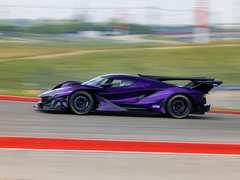
The Icons and the Legends
For decades, certain names have been synonymous with the hypercar elite. These brands have built their legacies on a foundation of racing success, technical innovation, and uncompromising quality. When you think of the ultimate road cars, certain marques immediately come to mind, and for good reason.
Bugatti has long been a titan in this realm, a name that evokes power, luxury, and exclusivity. The legacy of the Veyron and Chiron continues to shape the perception of what a hypercar can be. However, with the Bugatti Chiron era drawing to a close, the marque is ushering in a new chapter with the Bugatti Tourbillon. This revolutionary vehicle signals a significant shift for the brand, embracing electrification to deliver a driving experience that is both familiar and utterly groundbreaking. The Tourbillon pairs a potent V16 engine with a sophisticated hybrid system, promising the kind of performance and craftsmanship that has become synonymous with the Bugatti name.
Ferrari, the legendary Prancing Horse, has always been at the forefront of automotive excellence. From the iconic Enzo to the groundbreaking LaFerrari, Ferrari’s mid-engined V12 flagships have defined the hypercar category for generations. In 2026, Ferrari continues to innovate with the Ferrari F80. This remarkable machine represents the firm’s most potent road car to date, blending the raw power of a V12 with advanced hybrid technology. The F80’s performance metrics are nothing short of staggering, but it’s the car’s ability to deliver a coherent and engaging driving experience that truly sets it apart.
Lamborghini, the purveyor of automotive drama and excess, has also embraced the electrified future. The Lamborghini Revuelto, the successor to the legendary Aventador, is a testament to the brand’s ability to adapt without sacrificing its soul. This V12 hybrid packs a combined output of over 1000 horsepower, delivering the kind of theatrical performance and aggressive styling that Lamborghini customers expect. The Revuelto is a compelling blend of tradition and innovation, proving that hybrid technology can enhance, rather than dilute, the pure driving pleasure that the brand is known for.
McLaren, a marque born from racing pedigree, has carved its own distinct path in the hypercar world. The legendary McLaren F1 remains an icon of automotive engineering, a testament to Gordon Murray’s vision of a driver-focused machine that prioritized purity and performance. While the F1 remains a benchmark, McLaren has continued to push the envelope with models like the McLaren P1 and the upcoming McLaren W1. The W1 represents the next evolution of McLaren’s ‘1’-badged hypercars, promising a revolutionary design and a potent hybrid powertrain that will challenge the very definition of automotive performance.
The Electrification Revolution
Perhaps the most significant trend shaping the hypercar landscape in 2026 is the rise of the electric hypercar. What was once a niche segment has exploded in recent years, with electric powertrains offering performance levels that were previously unimaginable. These machines leverage the instant torque and precise control of electric motors to deliver acceleration and handling that leaves traditional internal combustion cars in their dust.
Leading the charge in this revolution is Rimac, the Croatian innovator that has redefined what’s possible with electric hypercars. The Rimac Nevera is a true game-changer, boasting performance figures that seem to belong in the realm of science fiction. With a combined output of over 2000 horsepower and four independent electric motors, the Nevera delivers breathtaking acceleration and a level of handling precision that belies its weight. In its higher-spec Nevera R form, this electric hypercar pushes the boundaries even further, offering a glimpse into the future of automotive performance.
Beyond Rimac, a host of other manufacturers are embracing the electric future. Czinger, a newcomer to the scene, has made a significant impact with its radical approach to hypercar design. The Czinger 21C combines a bespoke mid-mounted V8 with advanced electric technology, all wrapped in a visually stunning and aerodynamically optimized package. Its use of additive manufacturing and cutting-edge composites sets it apart from traditional manufacturers, offering a tantalizing preview of what’s to come.
The Analogue Renaissance
While electric hypercars command attention with their mind-bending statistics, there’s a growing appreciation for the raw, visceral experience of traditional internal combustion engines. This has led to a renaissance of analogue hypercars, machines that prioritize driver involvement and mechanical purity over outright numbers.
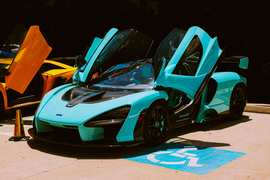
Gordon Murray Automotive (GMA), led by the legendary designer of the McLaren F1, has become a standard-bearer for this movement. The GMA T.50 is a masterclass in analogue hypercar engineering. With a naturally aspirated V12 engine, a manual gearbox, and a featherlight construction, the T.50 offers a driving experience that is both immersive and exhilarating. It’s a celebration of the art of driving, a reminder that sometimes the most rewarding experiences come from mechanical simplicity and driver engagement.
Pagani, the Italian master of automotive artistry, continues to champion the cause of analogue hypercars. The Pagani Utopia is a breathtaking example of this philosophy. Horacio Pagani’s latest creation pairs a potent twin-turbo V12 with a sublime manual transmission, creating a driving experience that is both emotionally engaging and technically brilliant. Despite its modern technology and advanced materials, the Utopia possesses a soulfulness that is increasingly rare in the world of hypercars.
Porsche, a brand synonymous with driving excellence, has also contributed to the analogue renaissance. The Porsche Carrera GT, though now a modern classic, remains a benchmark for driver-focused performance. Its naturally aspirated V10 engine and communicative chassis deliver an experience that is both thrilling and rewarding. While the 918 Spyder represented Porsche’s foray into hybrid hypercars, the Carrera GT stands as a testament to the enduring appeal of analogue engineering.
The Specialists and the Innovators
Beyond the established giants, a host of specialist manufacturers and innovative newcomers are pushing the boundaries of hypercar design. These companies often take a more radical approach, unburdened by the legacy of traditional automakers.
Koenigsegg, the Swedish purveyor of extreme performance, continues to produce some of the most awe-inspiring hypercars on the planet. The Koenigsegg Agera RS set a benchmark for top speed, while the Koenigsegg CC850 pays homage to the brand’s heritage with a revolutionary transmission system that blends manual and automatic driving experiences. These machines are a testament to Christian von Koenigsegg’s relentless pursuit of perfection.
Aston Martin is another brand that is embracing a more innovative approach to hypercar design. While the Aston Martin Valkyrie, a product of collaboration with Adrian Newey, represents the pinnacle of track-focused engineering, the upcoming Aston Martin Valhalla offers a more road-biased, plug-in hybrid experience. This approach allows Aston Martin to compete in a wider range of hypercar segments, appealing to customers who desire both performance and usability.
The Hypercar Experience in 2026
The modern hypercar is more than just a collection of impressive statistics; it’s an experience that engages all the senses. The sound of a V12 engine at full song, the feeling of G-forces pressing you into the seat, the intricate details of the craftsmanship—these are the elements that elevate hypercars beyond mere transportation.
One of the most striking aspects of the 2026 hypercar landscape is the diversity of choices available. Whether you prefer the raw, unadulterated mechanical connection of an analogue machine or the mind-bending performance of an electric hypercar, there’s something for every taste. This diversity is a testament to the health of the hypercar market and the ingenuity of the manufacturers that populate it.
The interior of a modern hypercar is a work of art in itself. Crafted from the finest materials, these cabins are designed to cocoon the driver in luxury while providing all the necessary information in a clear and concise manner. From bespoke upholstery to carbon fiber accents, every detail is meticulously considered to create an environment that is both functional and visually stunning.
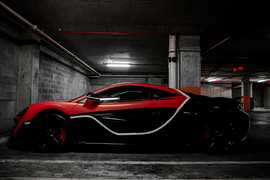
Of course, the ultimate test of any hypercar is its performance on the road or track. The ability to accelerate from a standstill to triple-digit speeds in a matter of seconds is a thrill that few vehicles can deliver. But modern hypercars also excel in their ability to handle corners, braking, and overall dynamic balance. The seamless