
The Pinnacle of Automotive Engineering: Exploring the 10 Most Expensive Hypercars in the World
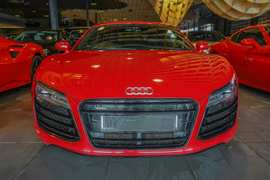
In the realm where automotive engineering ascends to the sublime, where performance benchmarks are shattered with audacious frequency, and where luxury is rendered as a tangible expression of engineering prowess, exists the rarefied domain of the hypercar. These vehicles transcend the conventional definition of high-performance automobiles; they are kinetic sculptures, rolling monuments to human ingenuity, and potent symbols of unparalleled affluence. The contemporary automotive landscape is increasingly being shaped by the convergence of electrification and traditional internal combustion, creating a new echelon of hypercars that redefine the very parameters of speed, agility, and technological sophistication.
The allure of these automotive marvels extends far beyond their staggering top speeds. They represent the apotheosis of design philosophy, where form is inextricably linked to function, and where every aerodynamic contour is the result of exhaustive computational fluid dynamics and wind-tunnel optimization. This relentless pursuit of aerodynamic efficiency is not merely for aesthetic effect; it is the critical differentiator that allows these machines to generate the colossal downforce necessary to maintain traction at speeds exceeding 200 miles per hour.
However, the exclusivity of these vehicles is as defining a characteristic as their performance metrics. The production runs for these hypercars are often deliberately constrained, sometimes limited to a mere handful of units globally. This scarcity, combined with the astronomical research and development expenditures—often running into the hundreds of millions of dollars—justifies their stratospheric price tags. For the discerning collector, owning one of these vehicles is not simply a matter of transportation; it is an acquisition of a rolling piece of automotive history, a tangible asset whose value often appreciates over time.
The operational costs associated with these machines are equally significant. The specialized maintenance required for their bespoke, high-strung powertrains necessitates a global network of authorized service centers and technicians trained to handle carbon-ceramic brake systems, complex hybrid recuperation systems, and adaptive aerodynamics. Furthermore, the specialized insurance policies required to cover these multi-million dollar assets represent a substantial annual financial commitment.
Understanding the economic forces at play within this market reveals that the primary drivers of hypercar valuation are not simply speed and horsepower, but rather the confluence of design innovation, engineering exclusivity, and brand heritage. Manufacturers are increasingly leveraging digital configurators and virtual reality showcases to allow potential buyers to engage with their vehicles in a deeply immersive manner, further solidifying the emotional connection that underpins these high-value transactions.
The following exploration delves into the apex of this exclusive category, examining ten of the most expensive hypercars that currently grace the planet. This analysis will traverse the technological innovations, the design philosophies, and the market dynamics that have propelled these machines to the forefront of automotive engineering and luxury.
The Bugatti La Voiture Noire: The Embodiment of Homage and Exclusivity
At the zenith of the hypercar hierarchy sits the Bugatti La Voiture Noire, a singular creation whose very existence is a testament to the French manufacturer’s dedication to artisanal craftsmanship and historical reverence. Translating to “The Black Car,” this automotive masterpiece is a modern interpretation of the legendary Bugatti Type 57 SC Atlantic, a vehicle tragically lost to time following World War II. The singular nature of this commission, rumored to be valued at approximately $18.7 million before taxes, underscores a market trend where bespoke, one-off vehicles command prices that dwarf even the most exotic production models.
The technical specifications of the La Voiture Noire are as breathtaking as its aesthetic presence. Power is derived from Bugatti’s iconic 8.0-liter quad-turbocharged W16 engine, a marvel of engineering that produces a staggering 1,479 horsepower and 1,180 lb-ft of torque. This immense power is delivered through a sophisticated all-wheel-drive system, ensuring that the car’s formidable performance is effectively channeled to the asphalt. The bodywork, crafted entirely from exposed carbon fiber, is not merely a stylistic choice but a functional necessity, providing the rigidity required for high-speed stability while maintaining a weight that belies the car’s substantial dimensions.
The design language of the La Voiture Noire is a masterclass in automotive sculpture. The elongated front bonnet flows seamlessly into a dramatically raked windshield, creating an uninterrupted silhouette that evokes the graceful curves of its Art Deco predecessor. The signature Bugatti horseshoe grille is reimagined with a three-dimensional, laser-cut texture, adding a layer of depth and intricacy. Perhaps the most visually striking feature is the extended tail section, which houses six exhaust outlets—a dramatic flourish that serves as both a visual signature and a functional necessity for expelling the exhaust gases from the W16 engine.

The interior of the La Voiture Noire is a sanctuary of bespoke luxury, designed to cater to the refined tastes of its discerning owner. The cabin is upholstered in rich, dark leather, accentuated by polished aluminum trim and handcrafted carbon fiber accents. The dashboard is a minimalist display of digital instrumentation, ensuring that the driver’s focus remains on the driving experience. This vehicle represents the pinnacle of automotive personalization, where the manufacturer’s engineering expertise is fused with the client’s unique vision to create an object of unparalleled automotive desirability.
The Pagani Zonda HP Barchetta: A Legacy Forged in Carbon Fiber
The Italian manufacturer Pagani Automobili has carved a unique niche in the hypercar market by prioritizing sensory engagement and artisanal craftsmanship over raw, numerical dominance. The Pagani Zonda HP Barchetta, a limited-run model restricted to just three units, serves as a poignant farewell to the iconic Zonda lineage. This particular creation represents a harmonious synthesis of old-world charm and cutting-edge engineering, a hallmark of the Pagani philosophy that has captivated collectors for decades.
At the heart of the Zonda HP Barchetta lies the potent 7.3-liter naturally aspirated V12 engine, sourced from AMG. This powerplant delivers a formidable 789 horsepower, providing a soundtrack that is as captivating as the car’s visual performance. Unlike many modern hypercars that rely heavily on turbocharging for their power delivery, the Zonda HP Barchetta’s naturally aspirated engine offers a linear, visceral powerband that rewards the driver with an increasingly intoxicating surge of acceleration. The characteristic wail of the AMG V12, amplified by the Pagani exhaust system, creates an auditory experience that is virtually unmatched in the automotive world.
The design of the HP Barchetta is a radical departure from the conventional, embodying a bold, open-top configuration that blurs the lines between a roadster and a track-focused machine. The windscreen is dramatically truncated, providing a visceral, wind-in-the-hair driving experience. The car’s bodywork is a testament to Pagani’s mastery of carbon fiber construction. The weave of the carbon fiber is often left exposed, treated with a specialized clear coat that highlights the intricate patterns and allows the material’s natural beauty to shine through. This aesthetic choice not only reduces weight but also serves as a visual signature, immediately identifying the car as a product of Pagani’s obsessive attention to detail.
The interior appointments are equally evocative of Pagani’s design ethos. The cabin is a driver-centric cocoon, featuring deeply bolstered carbon fiber bucket seats upholstered in a combination of premium leather and bespoke textiles. The central control stack is a work of mechanical art, with an array of finely machined aluminum switchgear that provides tactile feedback to the driver’s inputs. The iconic Pagani gearshift lever, often crafted from a solid billet of aluminum, serves as a focal point of the interior, a mechanical interface that connects the driver directly to the car’s powertrain. The Zonda HP Barchetta stands as a testament to the enduring appeal of naturally aspirated engines, manual transmission engagement, and artisanal craftsmanship in an increasingly homogenized automotive landscape.
The Rolls-Royce Sweptail: The Epitome of Bespoke Personalization
In the realm of automotive luxury, Rolls-Royce occupies a position of unparalleled prestige, synonymous with opulence, exclusivity, and bespoke craftsmanship. The Rolls-Royce Sweptail, a one-of-a-kind creation commissioned by a discerning Rolls-Royce patron, stands as a singular achievement in the world of coachbuilding, a practice that once defined the highest echelon of the automotive industry. The sheer uniqueness of this commission underscores a growing trend among the ultra-wealthy: the desire for vehicles that are not merely purchased but are collaboratively designed and handcrafted to reflect the owner’s individual identity and aesthetic preferences.
The genesis of the Sweptail concept lies in the client’s profound appreciation for classic and modern yachts, a passion that served as the primary inspiration for the vehicle’s design. This influence is immediately apparent in the car’s silhouette, which features a dramatically raked rear window that tapers to a single, sweeping line—a design feature reminiscent of a clipper ship’s stern. The roofline flows seamlessly into this tapering tail, creating an uninterrupted, flowing form that is both elegant and aerodynamic. The removal of the traditional C-pillars further enhances the visual drama, creating a sense of lightness and fluidity.
The exterior is finished in a striking two-tone paint scheme, combining a deep Midnight Sapphire body color with a contrasting Panorama Silver roof section. This dual-tone finish accentuates the car’s unique proportions and highlights the meticulous attention to detail evident in its construction. The body panels themselves are crafted from aluminum, hand-formed and meticulously polished to achieve a flawless finish. The absence of a rear bumper in the traditional sense further emphasizes the car’s sculpted, monolithic form.

The interior of the Sweptail represents the apotheosis of bespoke luxury, a sanctuary of comfort and refinement tailored to the specific requirements of its owner. The cabin is a dramatic two-seat configuration, eschewing the practicality of rear seating for an enhanced sense of exclusivity and focus on the driving experience. The centerpiece of the interior is the expansive glass roof, which