
The Most Expensive Cars in the World: A Deep Dive into Automotive Extremes
In the rarefied air of the ultra-wealthy, automobiles transcend their utilitarian purpose to become rolling sculptures, technological marvels, and potent symbols of status. These are not mere conveyances; they are rolling works of art, encapsulating the priorities of the one percent, where flamboyance and swagger often eclipse practicality. While lifestyle critiques are inevitable, the engineering prowess and sheer audacity of these machines are undeniable. From blistering hypercars to bespoke coachbuilt legends, we delve into the pantheon of the world’s most expensive cars, exploring what makes them worth astronomical sums and what they reveal about the automotive landscape of 2025.
For those seeking a more accessible entry point into the world of high-performance motoring, platforms like Carvana offer a diverse selection of pre-owned vehicles. However, when the price tags push into the multimillions, the conversation shifts from everyday driving to the realm of collectible art. Understanding the factors that inflate these prices—rarity, heritage, performance metrics, and exclusivity—is key to appreciating their value.
Zenvo ST1 ($1.2M)
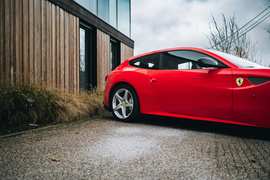
The Zenvo ST1, hailing from Zealand, Denmark, is less a car and more an exercise in unrestrained automotive aggression. Developed by Christian von Koenigsegg’s former racing engineer, Jesper Jensen, the ST1 is a testament to Danish ingenuity in the hypercar arena. The pièce de résistance is its powertrain: a potent 6.8-liter V8 engine augmented by both a supercharger and a turbocharger. This dual-forced induction setup generates a staggering 1,104 horsepower and 1,054 pound-feet of torque, all channeled exclusively to the rear wheels.
This raw power translates into neck-snapping performance. The ST1 rockets from 0 to 60 mph in a scant 2.9 seconds, with a top speed electronically limited to 233 mph, though independent testing suggests it could potentially exceed 250 mph. The car’s design is equally dramatic, featuring aggressive aerodynamics, dihedral doors, and a carbon fiber body that ensures a relatively low curb weight despite the complex powertrain.
Production of the ST1 was intentionally limited to just 15 units worldwide, a critical factor in its high valuation. Each vehicle was hand-built, allowing for a degree of customization that appealed to its exclusive clientele. While Zenvo later introduced more advanced models like the TSR-S, the original ST1 remains a significant milestone in the brand’s history and a potent symbol of Danish supercar engineering. For enthusiasts interested in exploring the apex of automotive engineering, understanding the technological innovations behind cars like the ST1 provides invaluable insight into the evolution of high-performance vehicles.
Ferrari LaFerrari ($1.4M)
The Ferrari LaFerrari, introduced in 2013, is a seminal work in the evolution of the hybrid hypercar. A spiritual successor to the legendary F40, it represented Ferrari’s bold statement on the future of performance. The name itself, meaning “The Ferrari” in Italian, underscores the company’s intent to create the ultimate expression of its engineering philosophy.
At its heart lies a formidable 6.3-liter naturally aspirated V12 engine, capable of revving to a symphonic 9,250 rpm and producing 789 horsepower. However, the LaFerrari’s true genius lies in its HY-KERS hybrid system. Borrowing technology from Ferrari’s Formula 1 program, the electric motor adds 160 horsepower and a substantial 199 pound-feet of torque, bringing the combined output to a blistering 949 horsepower.
This hybrid powertrain delivers more than just raw speed; it provides instant torque fill, eliminating the typical lag associated with turbocharged engines and creating a seamless surge of acceleration. The car sprints from 0 to 60 mph in under 3.0 seconds, with a top speed exceeding 217 mph. Its dry weight of less than 2,800 pounds makes it remarkably agile, allowing it to slice through corners with the precision expected of a Maranello machine.
The LaFerrari’s design is a masterpiece of form following function. Every curve, vent, and wing serves an aerodynamic purpose, generating downforce while minimizing drag. The cabin is a driver-focused sanctuary, eschewing unnecessary luxuries for lightweight materials and race-inspired ergonomics.
Originally priced at around $1.4 million, the LaFerrari’s value has since skyrocketed in the secondary market. Due to its limited production of just 499 coupes (plus a few Aperta convertible variants), it has become one of the most sought-after Ferraris of the modern era. This scarcity, combined with its technological significance and iconic status, ensures its place as a blue-chip collectible in the world of automotive art. For those captivated by this engineering marvel, exploring high-performance used cars can offer a glimpse into the technologies that made the LaFerrari possible.
Pagani Huayra ($1.4M)
Horacio Pagani’s creations are less cars and more intricate kinetic sculptures. The Pagani Huayra, named after the Incan God of Winds, is a perfect embodiment of this philosophy. Pronounced “why-rah,” the Huayra represents a decade of meticulous development, pushing the boundaries of materials science and automotive design.
The Huayra’s heart is a bespoke 6.0-liter twin-turbocharged V12 engine sourced from Mercedes-AMG’s high-performance division. This powerplant delivers a formidable 620 horsepower and 740 pound-feet of torque, available virtually from idle thanks to the turbochargers. This muscular V12 is mated to a lightweight, seven-speed sequential transmission, ensuring rapid gear changes that complement the car’s breathtaking acceleration.

What truly sets the Huayra apart is its active aerodynamics. The car features four independently controlled flaps—two at the front and two at the rear—that adjust in milliseconds to optimize downforce and balance. This system works in concert with the car’s advanced suspension and carbon-titanium chassis to provide an uncanny level of agility. The Huayra can seemingly defy physics, cornering at incredible speeds while maintaining composure and stability.
The cabin is an opulent affair, a testament to Pagani’s obsession with detail. Exposed carbon fiber is juxtaposed with hand-stitched leather, polished aluminum, and intricately crafted mechanical components. Every switch, dial, and lever feels purposeful and substantial, reflecting the hours of craftsmanship invested in each vehicle.
Production of the Huayra was strictly limited, with only around 100 examples built across its various iterations. This rarity, combined with its artistic design and engineering brilliance, has cemented its status as one of the most desirable hypercars ever created. For collectors and automotive historians, the Huayra represents the pinnacle of boutique supercar manufacturing, where bespoke craftsmanship meets cutting-edge technology.
Aston Martin One-77 ($1.4M)
The Aston Martin One-77 is a testament to British automotive excellence, a car born from a desire to create the ultimate expression of the Aston Martin brand. The name itself speaks to its exclusivity: only 77 examples were ever produced, each representing the pinnacle of design and engineering from the Gaydon-based manufacturer.
Under its dramatically vented hood lies a naturally aspirated 7.3-liter V12 engine, one of the largest and most powerful ever fitted to a production Aston Martin. Developed in partnership with Cosworth, this powerplant produces a staggering 750 horsepower and 553 pound-feet of torque. This immense power, combined with the car’s lightweight construction, propels the One-77 to a top speed exceeding 220 mph, making it the fastest Aston Martin of its time.
The car’s construction is a marvel of materials science. The chassis is a handcrafted carbon fiber monocoque, providing exceptional rigidity and strength while keeping weight to a minimum. The bodywork is sculpted from aluminum, with flowing lines that blend classic Aston Martin proportions with modern aerodynamic requirements. The signature grille, elongated headlights, and muscular haunches create a visually stunning presence that is both elegant and aggressive.
Inside, the One-77 offers a luxurious sanctuary for its driver and passenger. The cabin is trimmed in the finest materials, with hand-stitched leather, polished metals, and carbon fiber accents creating an ambiance of refined exclusivity. Despite the opulent surroundings, the car remains driver-focused, with a wraparound dashboard and intuitive controls that put the driver in command.
The One-77 was not merely a road car; it was a statement of intent from Aston Martin, demonstrating that the company could compete with the world’s elite hypercar manufacturers. Its rarity, breathtaking performance, and timeless design have ensured its place as one of the most iconic Aston Martins ever created. For automotive enthusiasts, the One-77 represents a perfect synthesis of British elegance and extreme performance.
Koenigsegg One:1 ($2.0M)
The Koenigsegg One:1 represents a radical departure from conventional supercar thinking. Developed by Swedish manufacturer Koenigsegg Automotive AB, the One:1 is defined by its audacious “megacar” philosophy: a car with a power-to-weight ratio of one-to-one. This means the car produces one horsepower for every kilogram of weight, a benchmark that was previously thought to be unachievable in a road-legal vehicle.
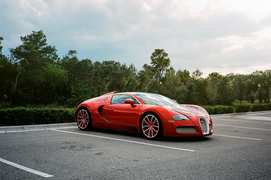
Powering this engineering marvel is a 5.0-liter twin-turbocharged V8 engine, which, thanks to innovative fuel injection technology, produces a staggering 1,341 horsepower. When combined with the