
The Apex Predators: A Deep Dive into the World’s Most Exclusive Hypercars
In the rarefied atmosphere of automotive excellence, where engineering prowess meets artistic expression, lies the realm of the hypercar. This isn’t just about going fast; it’s about a symphony of power, a sculpture of aerodynamics, and a statement of ultimate achievement. For a select few, these four-wheeled marvels represent the pinnacle of human ingenuity, pushing the boundaries of what’s possible on the asphalt.
The 2026 landscape is particularly exhilarating, offering a diverse buffet of extreme machinery for the discerning collector or thrill-seeker. Whether you’re drawn to the raw, visceral scream of a naturally aspirated V12, the mind-bending instant torque of electric propulsion, or the seamless blend of both, the current crop of hypercars delivers spectacle in spades. This article serves as your definitive guide to the titans of the automotive world, dissecting the machines that define the very essence of the best hypercars 2026 has to offer.
The Enduring Allure of the Naturally Aspirated V12
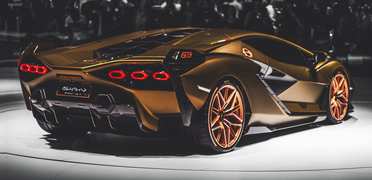
While the EV revolution sweeps across the automotive industry, a bastion of traditional engineering continues to hold court in the hypercar segment. The symphony of a high-revving V12 remains an intoxicating proposition for purists, offering a linear, analogue connection between man and machine that electrification has yet to fully replicate.
Leading this charge is the Gordon Murray Automotive T.50. A spiritual successor to the legendary McLaren F1, the T.50 is a masterclass in driver-focused design. With a Cosworth-developed 4.0-litre V12 heart, it produces a staggering 641bhp, but the magic lies in its 12,100rpm redline. This isn’t just an engine; it’s a precision instrument. Weighing in at a scarcely believable 986kg, the T.50 offers a driving experience that is both visceral and balletic. Murray’s philosophy of ‘less is more’ shines through, with a tactile manual gearbox and a focus on pure mechanical feedback that sets it apart in a digital-first world. For those seeking the quintessential analogue hypercar, the T.50 is the undisputed champion.
Similarly captivating is the Pagani Utopia. Horacio Pagani’s latest creation is a testament to artisanal craftsmanship and engineering excellence. Powered by a twin-turbo V12 sourced from Mercedes-AMG, it churns out 852bhp. Yet, what truly sets the Utopia apart is its soul. Despite the technological sophistication, Pagani has blessed it with a sublime seven-speed manual transmission. The result is an intoxicating blend of raw power and driver engagement. The Utopia isn’t just fast; it’s an emotional experience, a rolling piece of art that demands to be driven, savoured, and admired.
The Electric Juggernauts: Redefining Acceleration
If the V12 represents the soul of the hypercar, then electric powertrains represent its future – a future defined by numbers that defy logic. The instant, brutal torque delivery of electric motors has shattered traditional performance metrics, creating machines that can pin you to your seat with a ferocity that is both terrifying and exhilarating.
At the forefront of this electrifying charge is the Rimac Nevera R. This Croatian marvel isn’t just an electric car; it’s a technological tour de force. With four independent electric motors, one for each wheel, the Nevera R produces a mind-boggling 2,078bhp and 1,740lb ft of torque. The result? A 0-60mph time of just 1.7 seconds. This isn’t just acceleration; it’s a teleportation device. Beyond the headline figures, the Nevera R boasts an incredibly sophisticated all-wheel-drive system, allowing for a level of handling precision that belies its substantial weight. It’s a clear benchmark in the best hypercars 2026 conversation, proving that electric power can indeed deliver the ultimate driving experience.
Venturing into this electrifying domain, we also have marques like Ferrari embracing the change. Their latest hybrid offerings, such as the Ferrari SF90 XX Stradale, represent a significant step into the electrified future. These vehicles combine the brand’s legendary V8 combustion engine with powerful electric motors, creating a synergy that delivers breathtaking performance. With over 1,000 horsepower and advanced aerodynamic features, they bridge the gap between traditional supercars and the new wave of electric hypercars, offering a taste of Ferrari’s vision for the next generation.
The Hybrid Powerhouses: The Best of Both Worlds
For those who can’t quite commit to full electrification, or simply appreciate the nuanced brilliance of a hybrid system, the current market offers some truly spectacular options. These machines manage to meld the visceral thrill of a combustion engine with the instant punch of electric motors, creating a driving experience that is greater than the sum of its parts.
The Lamborghini Revuelto is a prime example of this hybrid alchemy. Replacing the iconic Aventador, the Revuelto is Lamborghini’s first plug-in hybrid flagship. It combines a high-revving naturally aspirated V12 with three electric motors to produce a combined output of 1,001bhp. The result is a car that is both terrifyingly fast and surprisingly agile. The Revuelto’s intelligent torque vectoring system allows for a level of handling precision that redefines what’s possible in a V12 Lamborghini. It’s a visceral, theatrical experience that retains the drama and soul the brand is known for, while embracing the performance benefits of electrification.
Another contender in this space is the McLaren Artura. While perhaps positioned slightly below the absolute peak of the hypercar hierarchy, the Artura represents McLaren’s dedication to hybrid technology in their core supercar lineup. Featuring a compact, high-revving V6 engine combined with an electric motor, it offers a compelling blend of performance, efficiency, and driver engagement. Its lightweight construction and advanced aerodynamics make it a formidable force on the track, proving that hybrid technology can enhance, rather than compromise, the pure driving experience.
The Legacy Machines: Icons That Still Reign Supreme

While the 2026 landscape is brimming with new metal, certain machines from the past continue to hold their own, their legendary status undiminished by the passage of time. These are the icons that shaped the very definition of a hypercar, and they remain highly sought-after commodities in the collector’s market.
The McLaren F1 is, without question, one of the most significant hypercars ever built. Gordon Murray’s masterpiece, with its central driving position and naturally aspirated BMW V12, set a benchmark that stood for decades. Even today, its purity of design and driving experience are revered. A well-maintained F1 is a blue-chip investment and a driving machine that can still humble modern supercars.
Similarly, the Porsche 918 Spyder remains a formidable machine. As part of the “Holy Trinity” of hybrid hypercars from the early 2010s, it combined a high-revving V8 with electric motors to produce a symphony of speed and technology. Its dynamic capabilities are still among the best, and its rarity ensures its continued relevance in the best hypercars 2026 conversation.
The Rising Stars: What to Watch For
The hypercar world is constantly evolving, with new players and innovative concepts emerging regularly. Several upcoming models promise to shake up the status quo and redefine what’s possible in the realm of extreme performance.
The Aston Martin Valhalla represents Gaydon’s foray into the plug-in hybrid hypercar segment. Dubbed “Son of Valkyrie,” it promises a blend of track-focused performance and road usability. With a mid-mounted V8 and electric assistance, it aims to deliver a driving experience that is both exhilarating and refined.
Another highly anticipated arrival is the Bugatti Tourbillon. Replacing the legendary Chiron, the Tourbillon is set to continue Bugatti’s legacy of ultimate performance. With a revolutionary naturally aspirated V16 engine and advanced hybrid technology, it promises to push the boundaries of speed and engineering even further.
The Investment Angle: More Than Just Speed
For many purchasers of hypercars, the financial aspect is as important as the driving experience. These vehicles are not just cars; they are tangible assets that appreciate in value over time. The exclusivity, historical significance, and limited production runs of the best hypercars 2026 make them particularly attractive to collectors.
The market for hypercars has proven remarkably resilient, often outperforming traditional luxury goods and even stocks. A prime example is the Pagani Zonda, which has seen its value skyrocket in recent years, with examples now fetching multi-million-dollar sums. This trend underscores the unique position hypercars hold in the automotive world – they are simultaneously objects of desire and shrewd investments.
Conclusion: The Ultimate Driving Machine
The hypercar landscape of 2026 is a testament to the enduring passion for automotive excellence. From the analogue purity of the Gordon Murray Automotive T.50 to the electrifying performance of the Rimac Nevera R, there has never been a more diverse and exciting time to be a hypercar enthusiast. These machines represent the pinnacle of human ingenuity, pushing the boundaries of speed, technology, and design.

Whether you’re drawn to the visceral thrill of a V12, the mind-bending acceleration of electric power, or the perfect synergy