
The landscape of elite automotive performance has undergone a seismic shift, transforming the very definition of the hypercar. Gone are the days when sheer horsepower and top speed were the sole metrics of supremacy. Today, the most coveted machines are symphonies of electrification, lightweight materials, and aerodynamic genius, blurring the lines between road car and Le Mans prototype. This evolution reflects not only engineering prowess but also the market’s demand for vehicles that deliver an unparalleled sensory and dynamic experience.
In 2026, the hypercar segment is more vibrant and diverse than ever before. Whether you seek the soul-stirring crescendo of a naturally aspirated V12, the brutal efficiency of a quad-turbo behemoth, or the silent, instant torque of a pure electric marvel, the options are staggering. This era represents a fascinating crossroads where the analogue past collides with a high-tech, electrified future, creating machines that challenge our perceptions of what a road-legal vehicle can achieve.
This comprehensive guide delves into the pinnacle of automotive engineering, exploring the most significant hypercars that are defining this generation of performance. From established titans to audacious newcomers, these are the machines that will grace bedroom walls and fill auction houses for decades to come.

The Pantheon of Power: Icons That Define the Era
Several marques have built their legacies on the altar of extreme performance, and their latest offerings continue to push the boundaries of possibility. These are the benchmarks against which all others are measured.
Aston Martin Valkyrie: A testament to what happens when Formula 1 aerodynamic genius meets road car practicality. Designed by Adrian Newey, the Valkyrie is less a car and more a weaponized piece of aerodynamic sculpture. Its 6.5-liter Cosworth V12, screaming to 11,100 rpm, produces 1,139 horsepower. When combined with its sub-1,400 kg weight, the result is a power-to-weight ratio that borders on the absurd. The driving experience, as noted by those fortunate enough to sample it, is brutal yet refined—a visceral connection to the machinery that few modern cars can replicate.
Bugatti Mistral: The swan song of the legendary W16 engine. As the final road-going iteration of this iconic quad-turbocharged masterpiece, the Mistral is a fittingly extravagant farewell. With 1,578 horsepower, it combines the relentless shove of the Chiron with the open-air theatre of a roadster. Its design is a masterclass in modern coachbuilding, blending Bugatti’s signature elegance with aggressive, functional aerodynamics. It represents the zenith of the internal combustion hypercar—a roaring, breathtaking spectacle that will be dearly missed.
Ferrari F80: Embracing the Formula 1 philosophy of “less is more,” Ferrari’s latest hybrid hypercar challenges convention. Eschewing the traditional V12 for a high-revving, twin-turbocharged V6, the F80 generates a staggering 1,187 horsepower. This audacious move is a bold statement about the future of Ferrari’s flagship models, prioritizing aerodynamic efficiency and hybrid integration. The result is a car that lapping the Fiorano circuit significantly faster than its V12 predecessors, proving that the Prancing Horse’s future is electrifyingly fast.
Koenigsegg Agera RS: While newer models have emerged, the Agera RS remains a landmark achievement in the quest for ultimate speed. This Swedish marvel holds the production car land speed record, averaging an astonishing 277.87 mph. Powered by a 5.0-liter twin-turbo V8 producing 1,150 horsepower, it combines raw power with surprising practicality. Its lightweight carbon fiber construction and innovative aerodynamic features make it a true benchmark in the quest for speed.
The Electric Revolution: Silent Speed Redefined
The most significant trend in the hypercar world is the electrification of performance. Battery technology has advanced to a point where electric powertrains can now deliver performance figures that leave gasoline engines gasping for air.
Rimac Nevera R: The undisputed king of the electric hypercar, the Nevera is a technological tour de force. With four independent electric motors producing a combined 2,078 horsepower, it is the fastest-accelerating production car ever built. Its 0-60 mph time of under two seconds is simply staggering. Beyond the raw numbers, the Nevera is a testament to sophisticated engineering. Its torque vectoring system allows for unprecedented agility, making a 2,150 kg car feel nimble and responsive. It has redefined what is possible in a road-legal vehicle.
Automobili Pininfarina Battista: Hailing from Italy, the Battista is a collaboration between the historic design house Pininfarina and Rimac. This creates a vehicle that combines breathtaking Italian styling with cutting-edge Croatian electric powertrain technology. With 1,900 horsepower and a 0-60 mph time of under two seconds, it is a true hyper-EV. However, the Battista is more than just a straight-line speedster; it is a work of art, offering a driving experience that is both exhilarating and refined.
McLaren Speedtail: Representing McLaren’s take on the “hyper-GT” concept, the Speedtail prioritizes aerodynamic efficiency and top speed over outright track performance. With a sleek, elongated teardrop body, it is designed to slice through the air with minimal resistance. Its hybrid powertrain delivers a combined 1,050 horsepower, propelling the Speedtail to a top speed of 250 mph. It offers a unique blend of luxury, speed, and technological innovation, with a three-seat layout reminiscent of the legendary McLaren F1.
The New Contenders: Bold Challengers Enter the Fray
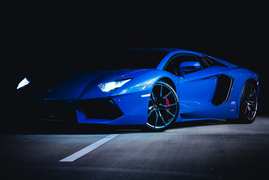
The traditional hypercar manufacturers are no longer the only players in this exclusive arena. Ambitious newcomers are challenging the established order with innovative designs and audacious performance claims.
Czinger 21C: Hailing from Los Angeles, Czinger is a radical new entrant that is rewriting the rules of hypercar manufacturing. The 21C features a revolutionary in-house designed, tandem-seat configuration—placing the driver and passenger one behind the other like a fighter jet. This design allows for a narrower, more aerodynamically efficient body. Powered by a hybrid system with a 2.9-liter twin-turbo V8, the 21C produces 1,250 horsepower. Its use of additive manufacturing (3D printing) for complex components allows for lightweight construction and radical design possibilities.
Gordon Murray Automotive T.50: A spiritual successor to the legendary McLaren F1, the T.50 is the brainchild of Gordon Murray, the F1’s original designer. This machine is a celebration of pure driving engagement. It eschews hybrid powertrains and excessive aerodynamics in favor of a naturally aspirated V12 engine and a manual gearbox—a rarity in the modern hypercar landscape. Its Cosworth-developed 4.0-liter V12 produces 654 horsepower, but its featherlight 986 kg weight ensures exhilarating performance. The T.50 is a testament to the belief that the most engaging driving experience comes from a direct connection between driver and machine.
Pagani Utopia: Horacio Pagani’s latest masterpiece is a work of art as much as it is a high-performance machine. The Utopia continues Pagani’s tradition of combining exquisite Italian craftsmanship with cutting-edge engineering. Powered by a Mercedes-AMG-derived twin-turbo V12 producing 852 horsepower, it offers blistering performance. However, the Utopia’s defining feature is its soul. It offers a manual gearbox option, allowing drivers to fully engage with the car’s mechanical symphony. Its beautiful, flowing lines and attention to detail make it a rolling sculpture that stands apart from its more aggressively styled rivals.
The Hyper-GT Segment: Blending Speed with Usability
Not all hypercars are designed for the sole purpose of setting lap times. The rise of the “hyper-GT” segment offers a compelling alternative for those who desire blistering performance with a degree of comfort and usability.
Ferrari SF90 Stradale: While its successor, the 849 Testarossa, takes the top spot in our ranking, the SF90 remains a landmark achievement in Ferrari’s history. It marked the introduction of a plug-in hybrid system to Ferrari’s core supercar lineup, combining a powerful V8 with three electric motors for a combined output of 986 horsepower. It demonstrates that Ferrari is fully embracing electrification, integrating complex hybrid technology into a cohesive, driver-focused package.
Lamborghini Revuelto: The Revuelto is Lamborghini’s bold step into the electrified era. Replacing the iconic Murciélago, it combines a naturally aspirated V12 with three electric motors for a combined output of 1,001 horsepower. This plug-in hybrid system allows for impressive performance figures while also offering the potential for electric-only driving. The Revuelto retains Lamborghini’s signature dramatic styling and thrilling driving dynamics, proving that the brand can evolve without sacrificing its identity.
The Future is Now: What to Expect Next
The hypercar landscape is in a state of constant flux, with new models and technologies emerging at a rapid pace. The trends of 2026 point toward an even more electrifying and sophisticated future.
Full Electric Dominance: As battery technology continues to advance, we can expect to see the rise of pure electric hypercars that eclipse their gasoline-powered counterparts in terms of performance. These vehicles will likely feature even faster acceleration, longer ranges, and more sophisticated aerodynamic designs.
The Return of the Manual: While electrification is inevitable, there is a growing movement among enthusiasts for a return