
The Evolution of the Hypercar: From Luxury Speed Machines to Electric Extremes
In the gleaming, carbon-fiber-laced lexicon of automotive enthusiasts, the word “hypercar” conjures images of unimaginable speed, outlandish engineering, and price tags that could fund a small nation’s GDP. These aren’t just the faster, more luxurious cousins of supercars; they are the bleeding edge of performance, where physics bows to ambition and design becomes an art form. For the better part of two decades, the hypercar segment was defined by a familiar trinity: Bugatti’s brutal W16 engines, Koenigsegg’s innovative Swedish ingenuity, and the track-honed aerodynamics of McLaren and Ferrari. But as we hurtle through 2025, the landscape is shifting dramatically. The roar of the internal combustion engine is being challenged by the silent, staggering torque of electric motors, forcing a fundamental rethink of what a million-dollar machine should be.
The Genesis of the Beast
To truly appreciate the current electric revolution, we must first understand the icons that built this temple of speed. The modern hypercar era arguably began with the Bugatti Veyron in the mid-2000s. Developed under the stewardship of Ferdinand Piëch, the Veyron was less a car and more a technological manifesto. It combined a quad-turbocharged W16 engine—a powerplant essentially derived from two V8s—with all-wheel drive and luxury refinement, shattering the 250 mph barrier. It was absurd, excessive, and utterly brilliant.
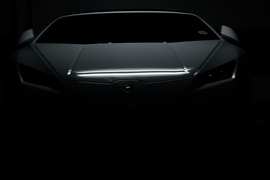
Following the Veyron’s success, its successor, the Bugatti Chiron, refined the formula. With over 1,500 horsepower and a top speed electronically limited to a staggering 261 mph (though privately tested at over 300 mph), the Chiron cemented Bugatti’s legacy as the king of brute-force hyper-performance. Yet, even as the Chiron pushed the combustion engine to its absolute limit, cracks were beginning to show in the old guard.
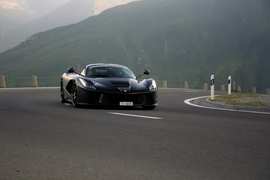
Across the Alps, Ferrari and McLaren responded with hybrid powerhouses that blended electric torque with gasoline might. The Ferrari LaFerrari and the McLaren P1, both launched around 2013, proved that electrification wasn’t a compromise but an enhancement. These machines offered instant throttle response and mid-range punch that traditional engines couldn’t match, proving that the future of the hypercar would be electrified.
The Swedish Maverick: Koenigsegg’s Unrelenting Innovation
While the Italian and French giants focused on luxury and refinement, Swedish manufacturer Koenigsegg has consistently operated on a different plane of existence. Founded by Christian von Koenigsegg in the 1990s, the company has built its reputation on a foundation of engineering defiance. The Koenigsegg Regera, introduced in 2015, perfectly encapsulates this ethos.
Instead of a traditional gearbox, the Regera uses a revolutionary “Direct Drive” system that eliminates the need for a conventional transmission. This setup allows the car to deliver its staggering 1,500 horsepower (from a twin-turbo V8 paired with electric motors) with seamless, uninterrupted torque delivery. The Regera is a testament to the idea that hypercars shouldn’t just be fast; they should fundamentally change how we think about automotive engineering. This focus on innovation has kept Koenigsegg at the forefront of the hypercar conversation, even as the industry pivots toward electrification.
The Electric Uprising: Rimac and the New Guard
The most significant disruption to the traditional hypercar order has come from an unexpected corner of the automotive world: Croatia. Rimac Automobili, founded by Mate Rimac, has emerged as the vanguard of the electric hypercar movement. Their flagship model, the Rimac Nevera, is not just an electric car; it is a technical tour de force that renders gasoline-powered competitors obsolete in terms of straight-line speed.
The Nevera boasts four independent electric motors, one for each wheel, capable of vectoring torque with millimeter precision. This allows the car to achieve 0-60 mph in under two seconds and a top speed exceeding 250 mph. But the Nevera’s genius lies beyond mere numbers. Its advanced software and connectivity set new benchmarks for what a road-legal car can do. The Nevera is a rolling laboratory, showcasing the potential of electric powertrains to deliver performance that was previously unthinkable.
The impact of Rimac cannot be overstated. The company has become a crucial technology partner for legacy automakers, providing the electric brains and brawn for their own electrification efforts. This symbiotic relationship ensures that even traditional players like Aston Martin and Pininfarina are embracing electric power to stay relevant in the hypercar arena.
The Aston Martin Valkyrie: Where Aerodynamics Meet Electric Power
While Rimac represents the pure electric future, some manufacturers are attempting to bridge the gap between combustion and electricity with a focus on extreme lightweighting and aerodynamics. The Aston Martin Valkyrie, a collaboration between Aston Martin and Formula 1 design legend Adrian Newey, is a prime example of this approach.
Drawing direct inspiration from Le Mans prototype racers and F1 cars, the Valkyrie is less a production car and more a road-legal race car. Its design is dictated by aerodynamics, with a dramatic underbody tunnel that generates immense downforce. Power comes from a Cosworth-developed naturally aspirated V12 engine paired with a Rimac-supplied electric motor. The result is a car that weighs just over 1,000 kilograms (2,200 pounds) and produces over 1,100 horsepower. The Valkyrie is a celebration of mechanical purity and aerodynamic excellence, a final hurrah for the gasoline-powered hypercar before the electric tide washes over the segment.
The Evolution of Design and Luxury
Beyond the powertrain debates, the hypercar landscape of 2025 reflects a broader evolution in automotive design and luxury. As electric powertrains eliminate the need for large engine bays and exhaust systems, designers have unprecedented freedom to sculpt the next generation of hypercars. We are seeing a move away from the aggressive, angular lines of the past toward more fluid, organic forms that are both beautiful and aerodynamically efficient.
Inside the cockpit, the trend is toward minimalist luxury. While early hypercars often featured cramped, driver-focused cockpits that prioritized function over comfort, the latest models are embracing a more holistic approach. Large digital displays, augmented reality windshields, and sustainable luxury materials are becoming standard features. The interior of a 2025 hypercar is a space that is both technologically advanced and deeply luxurious, offering a sanctuary from the outside world at speeds that few will ever experience.
The Role of Connectivity and Software
In 2025, a hypercar is not just about its hardware; it is increasingly defined by its software. The Rimac Nevera has set a new standard in this regard, offering features like the “Rimac Experience,” an in-car system that records and analyzes driving data, allowing owners to compare their performance with professional drivers. This integration of data and entertainment is transforming the ownership experience, turning every drive into a potential learning opportunity or a social media-worthy moment.
Furthermore, over-the-air (OTA) updates are becoming a standard feature, allowing manufacturers to improve performance, add new features, and even fix bugs long after the car has left the factory. This level of continuous improvement was previously unthinkable in the hypercar world, where cars were typically sold as static, unchanging artifacts. The software-defined hypercar is a new paradigm, one that ensures these machines will continue to evolve throughout their lifecycles.
The Changing Face of Speed: Real-World Performance
The constant battle for the title of “world’s fastest car” has long been a defining characteristic of the hypercar segment. However, as electric powertrains continue to mature, the focus is shifting from absolute top speed to real-world, usable performance. While 300 mph runs are impressive, the ability to accelerate to 100 mph, brake hard, and take a corner with precision is what truly defines a great hypercar in 2025.
The torque vectoring capabilities of electric hypercars allow for a level of handling and agility that was previously impossible. Cars like the Mercedes-AMG Project ONE, with its four-motor setup, can dynamically adjust power delivery to each wheel, allowing drivers to push the limits of grip with confidence. This focus on driver engagement and control is a welcome development, ensuring that the latest hypercars are not just drag-strip monsters but true driver’s cars.
The Democratization of Hypercar Technology
Perhaps the most significant trend in the hypercar world is the gradual democratization of its technology. As electric powertrains become more affordable and efficient, the performance gap between ultra-expensive hypercars and more accessible sports cars is narrowing. Manufacturers like Porsche, with the 918 Spyder, have already demonstrated that hybrid technology can be successfully integrated into more mainstream models.
The lessons learned from developing million-dollar hypercars are inevitably trickling down to more affordable vehicles. This means that the innovations pioneered in the world’s fastest and most expensive cars will soon be enjoyed by a wider audience, making high-performance driving more accessible than ever before.
Looking Ahead: The Future is Electric and Autonomous
As we look toward the future, the hypercar segment will continue to evolve. The dominance of electric power seems assured, but the form it takes remains to be seen. We may see hydrogen fuel cell hypercars emerge as a viable alternative, offering the range and refueling speed of gasoline cars with the environmental benefits of electricity.
Autonomous driving technology will also play an increasingly significant role. While the idea of a self-driving hypercar may seem counterintuitive to the spirit of driving, it is likely that we will see a distinction emerge between human-