


To watch the full video scroll down 👇
Mastering Automotive Efficiency: Why Active Aerodynamics is the 2026 Game-Changer for Your Wallet

In my decade of consulting within the automotive sector, I’ve seen countless buyers obsess over horsepower figures while completely ignoring the invisible force that dictates 60% of a vehicle’s energy consumption at highway speeds: drag. As we transition deeper into the 2026 model year, active aerodynamics has shifted from a “cool supercar feature” to a mission-critical component for everyday vehicle efficiency.
If you are shopping for a new vehicle, understanding how a car manages airflow isn’t just about technical jargon—it’s about the tangible cost of ownership. Whether you’re eyeing a luxury EV or a high-performance sedan, the way a vehicle manages active aerodynamics directly impacts your monthly fuel or electricity bills, your resale value, and your safety.
The Physics of Efficiency: Why Shape Matters
Nature perfected the teardrop shape for minimizing resistance, but a pure teardrop doesn’t function well as a family SUV or a commuter car. Modern engineering must balance the “slipperiness” required for range with the downforce required for stability.
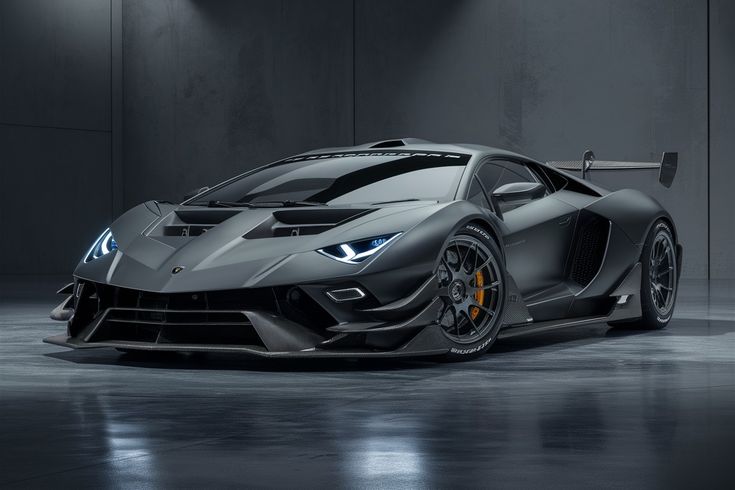
In my experience, consumers often misunderstand this trade-off. They assume more wings and vents mean better performance. In reality, the best cars are those that can change their shape on the fly. This is the core premise of active aerodynamics: a dynamic system that alters a vehicle’s profile based on speed, temperature, and driving conditions.
Decoding the Technology: How It Saves You Money
Active Front Grilles: The Unsung Hero of Range
You’ve likely seen these without noticing. At low speeds or cold starts, the vanes across the front bumper close off, creating a smooth surface. Why? Because pushing air into the engine bay creates unnecessary turbulence and drag. By closing these, the car slices through the air more cleanly. When the powertrain heats up, they open to allow cooling.
What This Means for You: If you’re shopping for an electric vehicle (EV), ensure your prospective model features active shutters. It’s a low-cost, high-impact feature that can extend your range by 3–5% on the highway. Over a 5-year ownership period, that’s hundreds of dollars saved in charging costs.
Active Front Splitters: Precision Grip
High-end performance cars use active splitters that extend at high speeds to “suck” the car toward the road. This improves cornering and braking. While this sounds like a “track day” feature, it’s a vital safety component for high-speed highway merging and emergency avoidance maneuvers.
Active Rear Spoilers: Stability and Braking
From the iconic Audi TT to modern supercars, rear spoilers that deploy at speed serve a dual purpose. By creating downforce, they prevent the “floaty” feeling some cars experience at 75+ mph. Many systems now function as “air brakes,” tilting nearly vertical during hard stops to assist the mechanical braking system.
Case Study: Buyer A vs. Buyer B
To illustrate the financial impact, let’s look at two buyers in 2026:
Buyer A purchased a vehicle with a fixed-aero profile. It looks aggressive, but it creates significant drag at highway speeds.
Buyer B purchased a car with a full active aerodynamics suite.
After 30,000 miles of mixed driving, Buyer B’s vehicle maintained a 7% higher efficiency rating. In terms of cost, Buyer B saved roughly $1,100 in energy/fuel costs. Furthermore, Buyer B’s brake pads had 20% more life left because the air-braking spoiler assisted in deceleration. When it came time to trade in, the tech-forward, high-efficiency nature of Buyer B’s car commanded a $1,500 premium in resale value.
What This Means for You: Should You Buy, Wait, or Invest?
If you are currently evaluating your next automotive purchase, here is the expert reality check for 2026:
Should You Buy?
Yes, if you prioritize long-term savings. Vehicles equipped with active aerodynamics represent the “smarter” financial choice for the 2026 market. They are inherently more efficient, which protects you against rising energy costs.
Should You Wait?
Only if you are looking for mass-market budget commuters. While this tech is filtering down, it is still premium. If your budget is strictly under $25,000, you may have to accept fixed aero for now.
Should You Invest?
If you are buying a performance-oriented vehicle, ensure it has these systems. Performance cars without active aerodynamics are depreciating faster because they feel “last-gen” compared to the refined, efficient machines currently hitting the lots.
Best Financial Strategies for 2026
When finalizing your purchase, consider the following:
Factor in Total Cost of Ownership (TCO): Don’t just look at the monthly mortgage rate or the auto loan payment. Look at the energy-efficiency rating. An active aero system is a “passive” income generator for your wallet.
Insurance Savings: High-performance cars with advanced aero and better braking capability are sometimes viewed more favorably by safety-focused insurers. Always ask for a comparison.
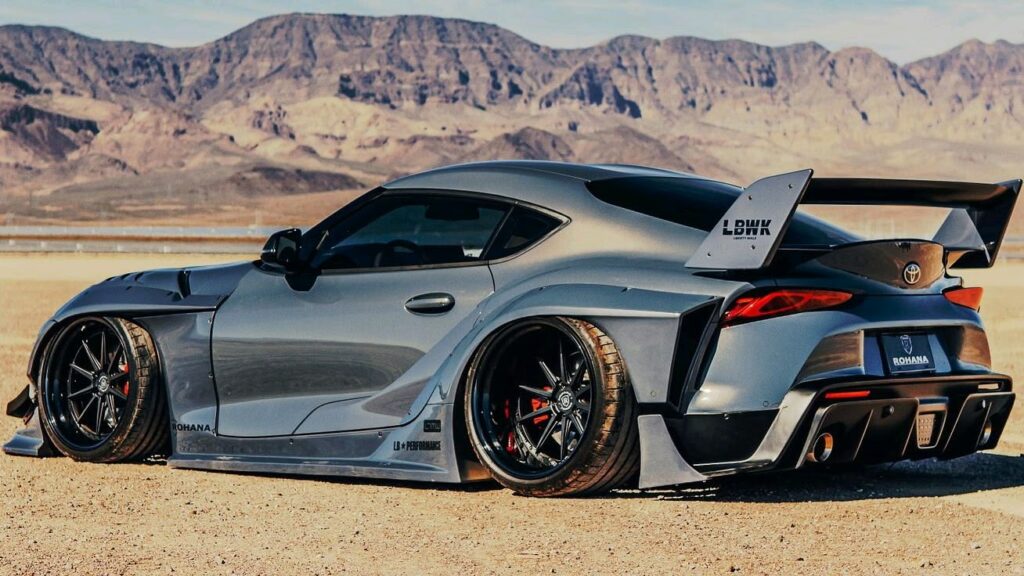
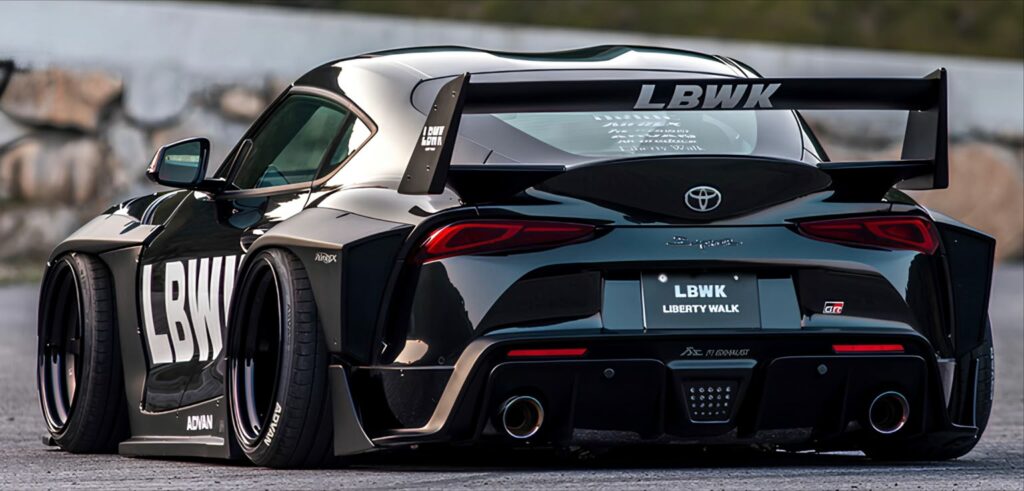
Avoid the “Aero-Mod” Trap: I’ve seen many owners add aftermarket spoilers thinking they’ll save gas. In 99% of cases, you are adding weight and drag. Stick to factory-integrated active aerodynamics.
Mistakes to Avoid That Could Cost You Money
Ignoring Maintenance: If you own a vehicle with active flaps or spoilers, keep them clean. A jammed motor or a build-up of road grime can cause the system to fail, leading to costly out-of-warranty repairs.
Over-valuing Aesthetics: Don’t prioritize a giant fixed wing that ruins your drag coefficient if you aren’t doing track racing. It’s a massive waste of money that increases your fuel consumption and noise levels.
Ignoring the “Real-World” Range: If you are buying an EV, look for the highway-specific range, not the city range. Active aerodynamics are the primary reason a car succeeds in highway testing.
The Bottom Line
In 2026, the car you drive is more than a transport machine—it’s a piece of fluid dynamics engineering. By prioritizing vehicles that utilize active aerodynamics, you are investing in a smarter, safer, and more cost-effective future. Don’t let your money vanish into the wind because of poor airflow management.
Are you ready to optimize your next vehicle purchase? I recommend comparing the drag coefficients of the models on your shortlist and looking for the “Active Aero” designation in the technical specifications. If you’re unsure which models offer the best return on investment, now is the time to run a comparison on current market offerings and check your financing options to see how much a high-efficiency vehicle could save you in the long run.